Table of Contents
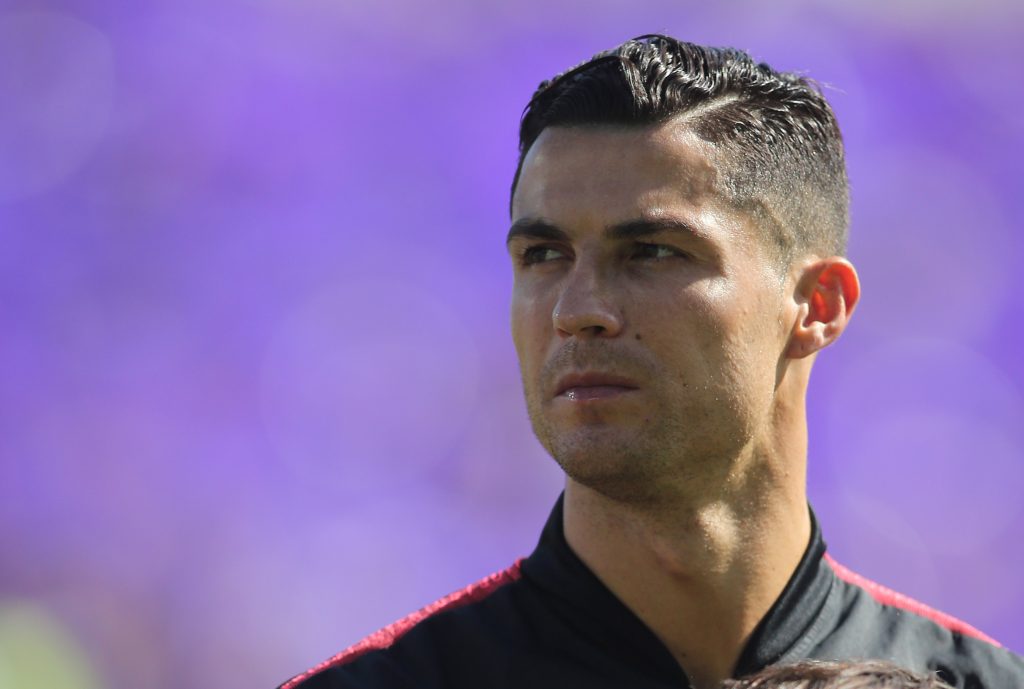
While much of the conversation around the 2026 FIFA World Cup has focused on AI, broadcast innovation and fan engagement technology, one of football’s biggest stars, Cristiano Ronaldo has been positioning himself on the other side of the table: as an investor in the businesses shaping sport’s digital future.
For most of the last two decades, athletes have played a familiar role in the technology industry. Technology companies built products. Athletes endorsed them. From wearables and recovery devices to gaming platforms and consumer electronics, the relationship was largely transactional: brands gained credibility, and athletes monetized their audiences.
Cristiano Ronaldo’s recent investment activity suggests that model is beginning to change. The world’s highest-paid footballer — earning roughly $300 million annually and comfortably ahead of Lionel Messi (~$140 million) and Kylian Mbappé (~$95 million) — is no longer acting solely as a distribution channel for technology companies. Increasingly, he is becoming an owner.
That distinction matters because Ronaldo’s investments are not concentrated in one category. They span performance technology, health-tech, gaming, sports media, AI, consumer health software, luxury e-commerce, and digital collectibles — eight sectors helping shape the future infrastructure of sport.
Building a Portfolio Around Sport's Digital Future
The most widely reported example is WHOOP, where Ronaldo became both a global ambassador and investor in 2024. WHOOP described the partnership as one of Ronaldo’s most significant investments to date, while also involving him in product development and performance-related innovation. Viewed in isolation, WHOOP could be dismissed as a natural extension of Ronaldo’s personal brand. The more interesting story emerges when viewed alongside the rest of his portfolio.
Betting on an Alternative to EA Sports
One of Ronaldo’s largest sports technology bets has been UFL, the football video game aiming to challenge EA Sports FC. Ronaldo joined a group of investors supporting the project, which reportedly raised $40 million in funding. Built on Unreal Engine 5, UFL’s core proposition has been the creation of a “fair-to-play” football ecosystem rather than one driven by traditional pay-to-win mechanics.
This is not merely an investment in gaming. It is an investment in one of sport’s most valuable digital engagement channels: interactive fan participation.
Moving Beyond Wearables
Cristiano Ronaldo has also expanded into personalized health and biological performance. Through his backing of Bioniq, the personalized nutrition platform that uses blood biomarkers and health data to create individualized supplement plans, Ronaldo positioned himself within one of the fastest-growing areas of human performance: data-driven wellness.
The subsequent acquisition of Bioniq’s assets by Herbalife further validates market demand for personalized health platforms and performance optimization systems. More recently, Ronaldo reportedly acquired a stake in Herbalife Pro2col Software LLC, an AI-supported wellness platform focused on behavioral change, health tracking, and personalized performance management.
Expanding Into Consumer Health-Tech
Cristiano Ronaldo expanded his digital footprint into consumer health technology with Erakulis, an AI-powered wellness app designed for personalized fitness, nutrition, and mental balance. The platform analyzes user data from wearables to adapt training programs in real time, marking Ronaldo’s entry into scalable, mass-market health-tech software.
Venture Into Luxury E-Commerce Tech
Cristiano Ronaldo further diversified his portfolio by acquiring a strategic minority stake in Chrono24, the world’s leading digital marketplace for luxury watches. Valued at over $1 billion, the platform processes millions of data points for global transactions and authenticated pricing. This move represents Ronaldo’s entry into specialized e-commerce infrastructure, proving that his ownership strategy extends beyond pure athletic utility and into scalable, high-value consumer tech marketplaces.
Sports Media and Distribution
Perhaps the most strategically interesting investment is Cristiano Ronaldo’s reported stake in LiveModeTV’s international broadcasting business. Sport has entered an era where distribution is becoming as valuable as the content itself. Traditional broadcasters continue to compete with digital-first platforms, social media channels, creator-driven ecosystems, and free streaming models. LiveModeTV’s focus on digital sports distribution and social-first broadcasting places it directly within that transformation.
For an athlete whose social audience exceeds one billion followers across platforms, investing in sports distribution infrastructure feels highly logical. Historically, athletes depended on media companies for exposure. Today, athletes increasingly possess larger audiences than many broadcasters. Owning a piece of the distribution ecosystem represents a natural next step.
Web3 and Digital Ownership
Cristiano Ronaldo has also maintained exposure to blockchain-enabled sports products. His involvement with FanCraze, which develops sports collectibles and digital fan experiences, aligns with broader shifts around digital ownership and fan engagement.
Recovery Technology and Athlete Performance
Cristiano Ronaldo’s technology portfolio extends beyond wearables and personalized nutrition into the growing recovery-tech sector. Through AVA CR7 (Advanced Recovery for Athletes), a company he co-founded in partnership with Brazilian wellness brand Avanutri, Ronaldo has moved beyond investing in existing businesses and into building a performance technology venture from the ground up. AVA CR7 focuses on premium recovery and wellness solutions designed to support athletic performance, rehabilitation, and long-term physical maintenance.
What makes AVA CR7 particularly significant is that it reflects a deeper level of involvement than a traditional endorsement deal. For decades, elite athletes have been used to market recovery products developed by others. AVA CR7 positions Ronaldo as a stakeholder in the development, commercialization, and ownership of performance-focused technology. In many ways, it represents one of the clearest examples of the broader shift occurring across sport: athletes are no longer just consumers of technology; they are increasingly helping create it.
Expanding Into Artificial Intelligence
Ronaldo’s investment activity also suggests an interest in technologies that extend beyond the traditional boundaries of sport. Among the reported additions to his portfolio is Perplexity, one of the fastest-growing companies in the artificial intelligence sector. While Perplexity operates outside the sports industry, the investment demonstrates exposure to one of the most transformative technology trends of the decade.
The strategic relevance becomes clearer when viewed alongside his broader portfolio. Data analytics, personalized health, athlete monitoring, fan engagement, and media distribution are all increasingly powered by AI-driven systems. By gaining exposure to foundational AI technology rather than only sport-specific applications, Ronaldo appears to be positioning himself not just around the future of sport, but around the digital infrastructure likely to influence nearly every industry. It is another indication that his investment strategy is evolving beyond brand partnerships toward ownership in technologies with long-term global relevance.
A Larger Shift Happening Across Sport
What makes Cristiano Ronaldo’s portfolio notable is the consistency of the strategy. Gaming. Artificial intelligence. Recovery technology. Wearables. Personalized health platforms. Digital broadcasting. Digital collectibles. Each investment sits within an area that is reshaping how sport is played, consumed, distributed, and monetized.
Want to learn how we helped a major sports venue enhance their digital ticketing experience and boost matchday revenues?
Download the full whitepaper and explore the innovative strategies and tools that are reshaping the matchday experience.
Prefer a conversation? Schedule an intro call here to explore tailored solutions for your organisation.