With Beyond Limits, we continue to spotlight athletes who have pushed beyond expectations and built their own path to excellence.
This edition brings us to Riley Phillips, a multiple championship-winning endurance driver who has already made his mark as one of the youngest competitors and champions in his category. From sim racing roots to real-world success, Riley’s journey is defined by resilience, technical precision, and a relentless drive to improve.
Now, his focus is firmly on the future. With a clear roadmap toward the 24 Hours of Le Mans, from Fun Cup endurance to European Le Mans Series, and ultimately the World Endurance Championship, Riley is not just chasing a dream, but building it step by step.
Early Journey & Origin Story
Your motorsport journey began in an unexpected way. How do you look back on that moment now, and how did karting become a turning point in your life?
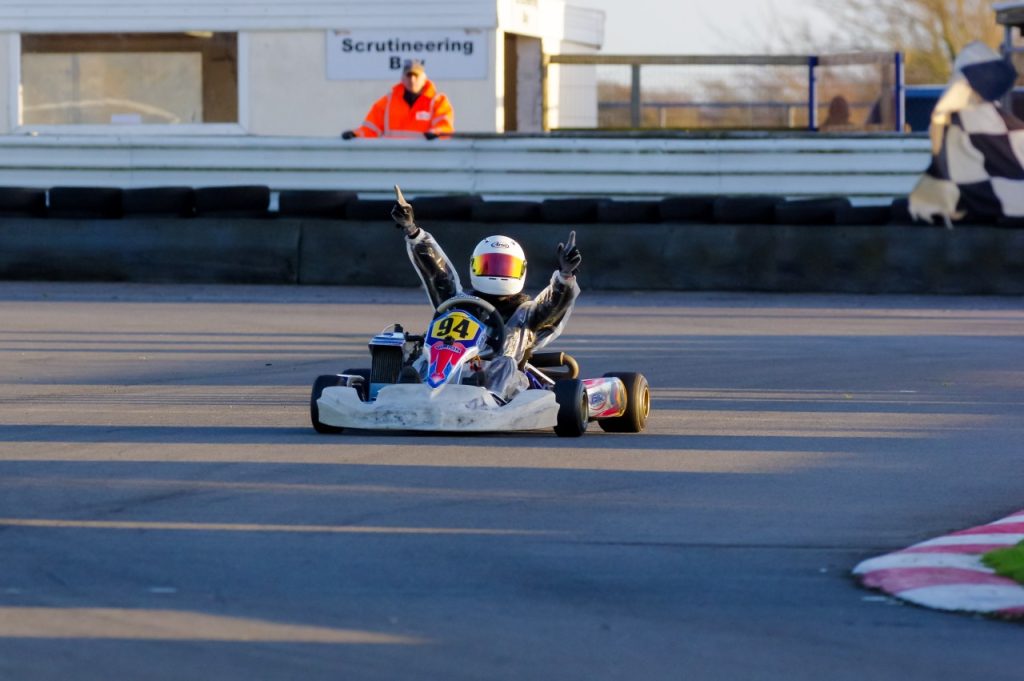
“Looking back now, it feels like a strange kind of good fortune. At the time it felt like the end of everything. I was having a really bad time at school, and getting expelled was a shock. I was confused, upset, and convinced I had ruined my future. My dad always says we never had the money to go racing, but the situation pushed us into trying something completely different. We had already tried every hobby you can imagine. Horse riding, swimming, football, cricket, tennis, canoeing, dinghy sailing, art, pottery, music. Nothing clicked. Nothing made me feel like I belonged. Then I sat in a kart for the first time, and it was the first thing that made me ‘light up’.
It was desperation that brought me to the track, but it became the place where I rebuilt myself. I was lucky that my parents believed I would be good at something, and they kept searching until they found the thing that I had passion for and that gave me confidence again.
Karting made me believe I was not a lost cause. It was not discipline, it was hyper focus. At school that focus worked against me because I could only concentrate on the things that made sense to me. On track it was the complete opposite. That same focus became my strength. I could lock onto what the kart was doing, what I needed to change, how to go faster. It was the first place where my brain actually helped me instead of getting me into trouble. My dad would take me to the track in any weather, and I would drive until I could not get out of the kart. The belief I found at the track helped me apply myself at school and in situations where I used to shut down.
I always felt at home at the circuit. I understood the environment, the people, the rhythm of it. The strategies I learned to survive and grow there are the same ones you need in life. Racing is brutal. One mistake and your race is over. Someone else can take you out and your race is over. But my dad always said there is always another race. So we kept going. That mindset shaped everything. Some days you win, some days you lose, but you keep moving forward.”
You mentioned struggling academically and socially before discovering motorsport. What did being behind the wheel give you that nothing else did at that age?
“Karting just made me so happy in a way nothing else had. The exhilaration of the speed, the focus it demanded, it all clicked instantly. I had tried so many hobbies before that. People said I was good at some of them, even the sailing coach said I was a natural, but none of it made me feel anything. Racing was different. Taking a chequered flag for the first time was the moment I realised I could actually be good at something.
It also changed how people saw me. When I started a new school, I brought my kart in for a science lesson, and suddenly I was the kid who raced. I was winning trophies almost every month, and the headmaster would bring me on stage in assemblies. That gave me a sense of identity I had never had before. Instead of being the kid who was not good at anything, I was a racing driver. That label gave me confidence and a kind of armour. It helped me handle things that would have crushed me before.”
From Sim Racing to Real-World Success
How has sim racing influenced your development compared to traditional karting and testing?
“It really all started on my dad’s sim. He used to put me on his lap when he was driving, even when I was a baby with a bottle. By the time I was three I was driving it on my own, standing up to reach the pedals. It was not an arcade game either. It was a proper racing simulator on the PC called GTR, and it was hard to drive. That was my first real training ground.
I have always used the sim as a way to learn. It became one of the reasons I was so fast when I moved into cars. We never had the money for real world testing, so everything was done on the simulator. I was not even allowed in the single seat version of the race car until race day because I was not sixteen yet. I did a couple of sessions in a twin seater, then had my English GCSE on the Friday, which meant I missed the practice day. My first ever drive in the single seat race car was in qualifying, against about seventy senior drivers.
I was not expecting the media attention either. Having a camera in my face all weekend was completely new to me. Even with all that pressure, I think I was eighth fastest in qualifying at sixteen years and fourteen days old. That made me the youngest senior driver in BRSCC FunCup history. The team won team of the day, but we had a couple of slower drivers sharing the car so we finished mid pack. For me the result mattered less than proving that the sim work had prepared me. It showed that the hours I had put in at home could stand up against real world experience.”
What was it like discovering that parts of your own sim model had been stolen? Did that incident change how you saw the eSports world?
“It changed how I saw business more than how I saw eSports. I had built a model of the race car because it did not exist in my simulator, and during Covid I used it to run an eSports series for the UK and European championships. It was exciting and chaotic at the same time, trying to get thirty non technical racing drivers onto a server and starting a race. After Covid I kept selling the model to people who wanted it, and the European series asked about using it again for their own eSports events.
I suggested a collaborative arrangement, but they turned it down. Then I found out they were using my model anyway, with no permission and no payment. That was a tough lesson. International law is complicated, and without the money to chase it, I had to decide what to do next. In the end I released the model for free. At least that way it stayed accurate, and people knew it was mine. It has been downloaded more than Seventeen thousand times now.
It taught me that even in a digital world you have to protect your work, and that not everyone will treat your effort with respect. But it also showed me that sometimes the best response is to keep moving forward and let the quality of what you create speak for itself.”
Breakthroughs & Milestones
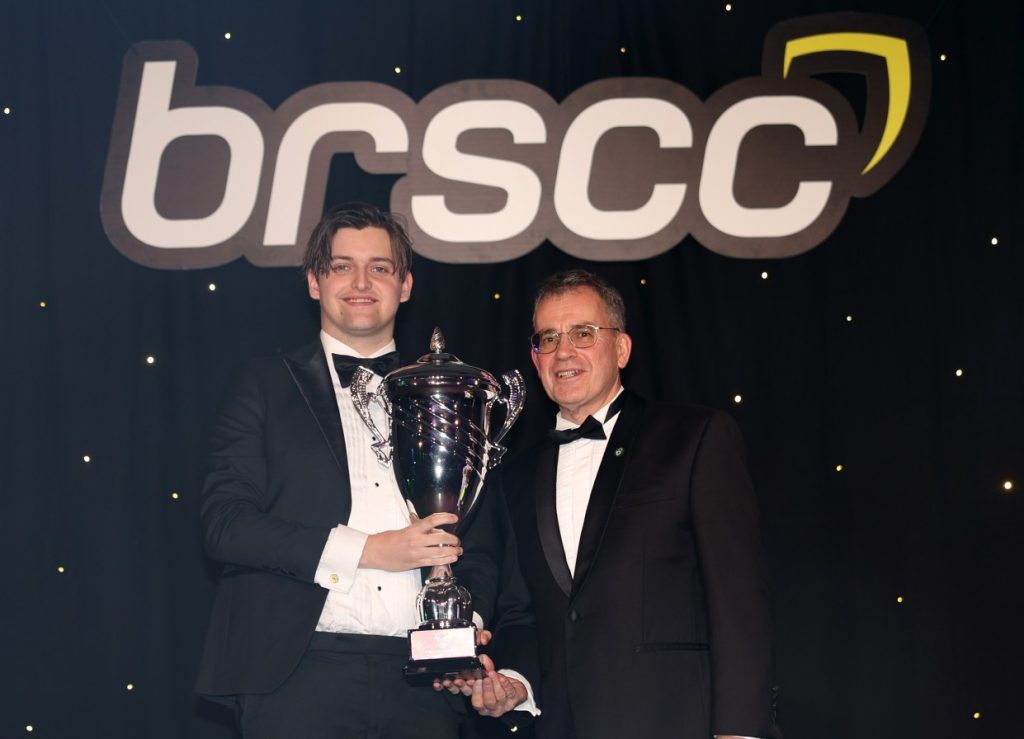
Becoming the youngest ever driver to enter senior cars in BRSCC FunCup endurance and then the youngest winner and youngest champion is remarkable. What did those achievements mean to you personally?
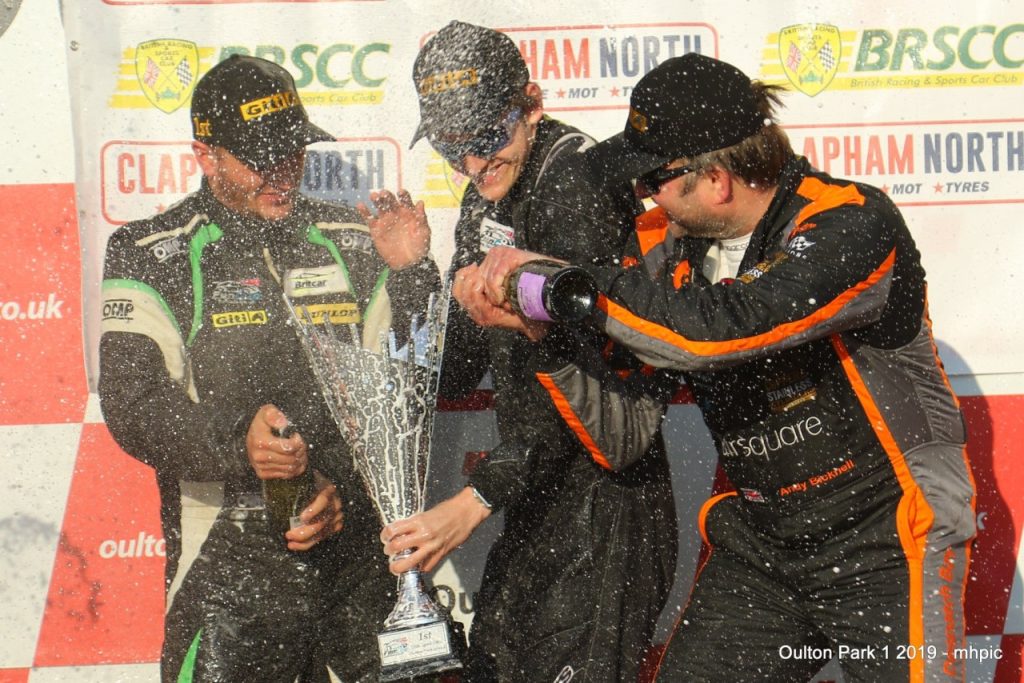
“The first win felt incredible. Winning a senior race at sixteen is a big challenge, and I was lucky to be coached by Marcus Clutton, who is an exceptional driver. His guidance, along with the results that year, gave me a huge boost in confidence. It was the moment I realised I could actually be a racing driver, not just someone who hoped to be one.
Winning the first championship was something else entirely. It came down to the final race. We were equal on points with our rivals, so whoever finished ahead would take the title. We were leading when I got in for the last stint. My pace had already earned me the right to finish all the races, and I was ready for the pressure. Then the starter motor failed as I got in, and we had to bump start the car. By the time we got going, our rivals were ahead.
In racing it is never over until the chequered flag, so I refused to give up. Their car had a pro driver in it, so I knew I had to work hard to catch up. When I finally got on his bumper, it turned into a proper fight. He left the smallest gap at Cascades and I went for it. The car was a bit sideways as I went past, and even after that I had to push flat out to stay ahead. We won the race and the championship.
That race, that comeback, that overtake, winning the title in that way, it all added to my belief. It showed me that I could handle pressure, fight back from setbacks, and deliver when it mattered. Those moments stay with you.”
What was the moment you felt: “I belong here. I can compete at the highest level”?
“The first win was a big moment, but I think it has always been more of a compounding effect than a single point in time. The wins are great, but the real feeling of belonging comes from the work at the track. Being part of a team, learning, improving, and feeling completely at home in that environment. That is what made me feel like I belonged.
My dad taught me a lot when we were karting. Never give up, there is always another race, and always try to improve, even if you are already in front. That mindset stayed with me. I love the process of trying to find a little bit more every time I go out. If you can improve every time, the results eventually follow.
So the moment I felt like I belonged was not one big achievement. It was realising that I loved the work, the learning, the constant search for improvement. That is when I knew I could compete at a high level, because I loved the process as much as the outcome.”
You’ve won multiple karting championships and earned academic success after a difficult start. Which milestone felt like the biggest emotional comeback?
“Academically I got decent results in the end, but it never gave me the same feeling as racing. The biggest emotional step for me was deciding that I could win at Clay Pigeon. That was the day everything changed. I had been fast all year, setting quickest laps, but I kept getting taken out by my main rival. On the way to the track that morning, having never won there, I told my dad I was winning that day. And I did. That moment was huge because it was the first time I truly believed I could do this, not just be good, not just come second, but actually win.
If you asked my family, they would probably say the biggest turnaround was when I applied to be Head Boy at my last school. Considering where I started, that was a big step. I did not get the role, but I was made House Captain, which I really enjoyed. It showed that the confidence I found in racing had carried over into the rest of my life.”
The Challenges Behind the Success
You mentioned COVID nearly stopping you from getting into a team. How did that period impact your confidence and momentum as a young driver?
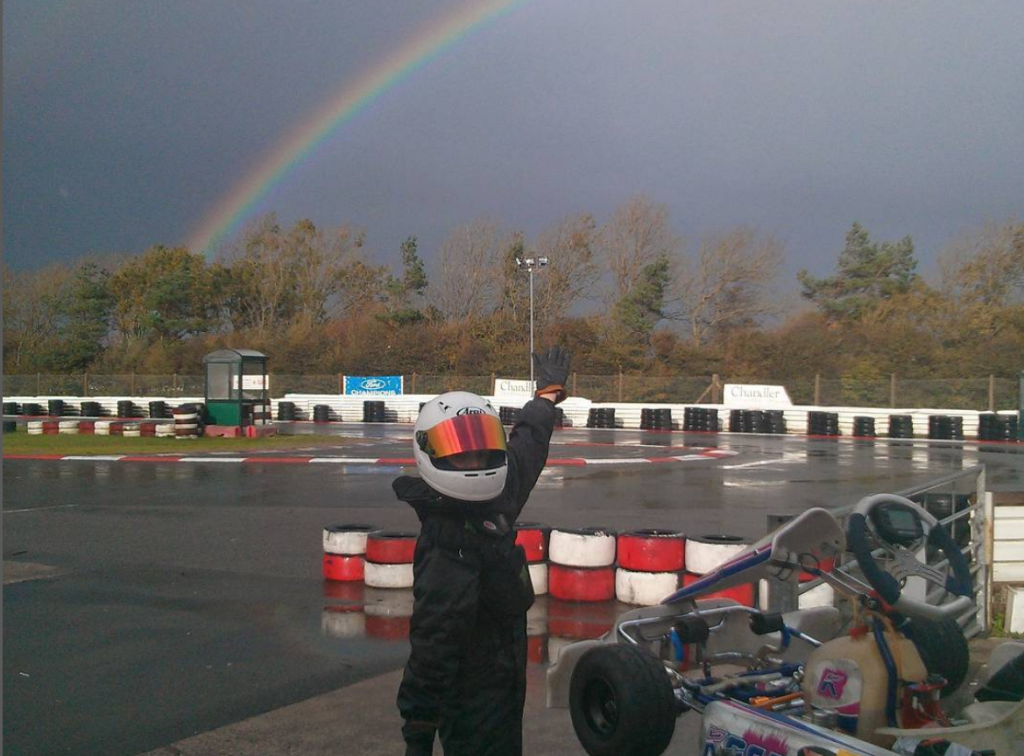
“I was actually at the track testing with a new team to see if they would take me when the Covid shutdown was announced. Being that close and having everything stop was crushing. It felt like someone had hit pause on the one thing I had been working toward for years.
At first there was just a numb feeling. There was nothing you could do, a bit like getting taken out in a race. It has happened, it is done, and you have to deal with it. But I had already spent a lot of time creating a model of the race car, and I suggested the idea of running a virtual series. I had no idea how I was going to make it work, but everyone was keen.
That idea ended up taking me in a completely different direction. It kept me connected to racing, gave me something to build, and became something I have carried on alongside real world racing ever since. It showed me that even when momentum disappears, you can still find a way to move forward.”
Have you ever faced moments where you questioned whether you could continue your journey in motorsport? What helped you push through those doubts?
“There were a couple of times in karting when I really questioned it. Getting smashed off in almost every race was hard. It was brutal. You go home black and blue with a wrecked kart, you are exhausted, and it all feels pointless. Those days make you wonder if you can keep going.
But then there is always that moment where you just want to feel the speed again. That feeling pulls you back. Even after the worst weekends, something in me wanted to get back in the kart and try again. I think that is what helped me push through the doubts. The love of driving, the feeling of being on track, and the belief that if you keep going, things will turn around.”
Many young drivers struggle with the financial realities of the sport. How have you navigated sponsorship, opportunity gaps, and the pressure to keep progressing?
“Every year the financial side is a question. That is probably the hardest part of motorsport. The driving is the part I know I can do. Being a businessman and finding sponsorship is the part I am still learning, and it is tough. In 2022 I did not get any sponsorship at all, but Paul Rose recommended me to a couple of novices who wanted to start racing, and I was lucky enough to run the team and drive with them. They stopped halfway through the season after realising how hard racing really is, but I managed to pick up two other races that year, which kept me in the paddock. That helped me get sponsorship for the following season.
I really want to move forward on the path toward Le Mans, but the sponsorship needed is ten times what I have now. That part can feel overwhelming, but I just keep looking and keep trying. The only way to make progress is to stay in the sport, stay visible, and keep proving what I can do on track. That is what keeps me going.”
Identity, Mindset & Pressure
You’ve said motorsport saved you. How has the sport shaped the person you are today?
“I honestly do not know where I would be without motorsport. I would not have made it through school without it, so I try not to imagine the alternative. Motorsport taught me how to stay calm, how to focus, and how to achieve things through consistent effort. It gave me a place where my mind worked for me instead of against me.
It also taught me that life is not always fair. You can do everything right and still get taken out, but if you are relentless and keep showing up, the results eventually come. That mindset shaped who I am. It taught me resilience, patience, and the value of improving a little bit every time. Motorsport did not just give me a career path. It gave me the tools to handle life.”
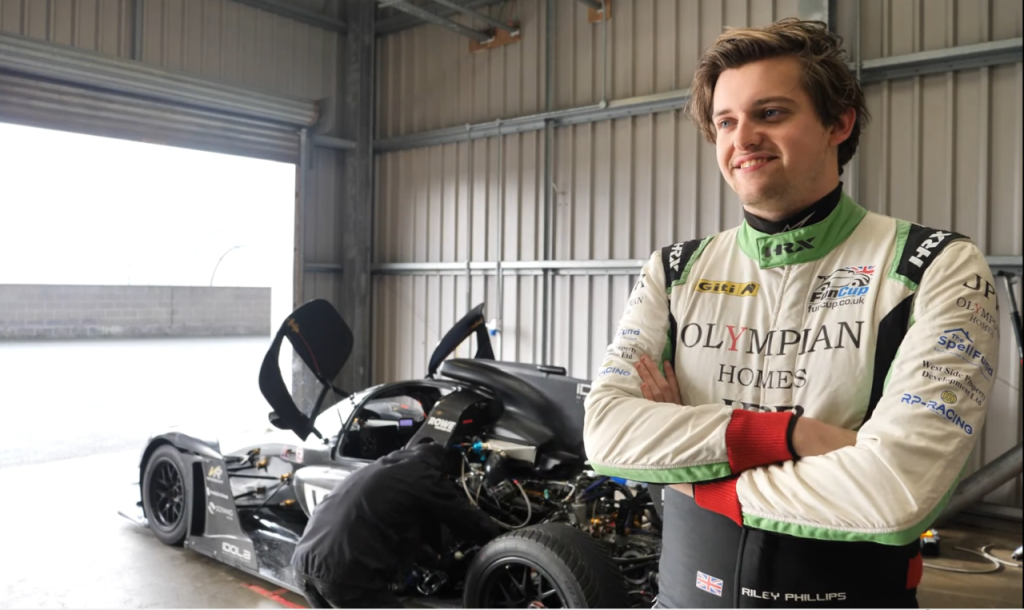
Endurance racing demands enormous focus and emotional regulation. How do you keep calm, sharp, and committed during high-pressure stints?
“I rely on my routine. Before a high pressure stint I find some space and settle myself. If the pressure is really high I sit on my own and get into the zone. I focus on the end result and picture the car flowing the way I want it to. Once I am in the car there is nothing else. Everything becomes simple. It is just me, the car, and the job I need to do.”
Technology, Innovation & the Future
How do you see technology shaping the future of motorsport?
“Simulators and simulation are only going to keep growing, and that is exciting. They already play a huge role in how drivers learn and how teams prepare, and the technology is improving all the time. I think it will become an even bigger part of how young drivers develop before they ever get into a real car.
Other technologies are going to push the sport forward as well. I am surprised there has been so much chaos in Formula One this year because hybrid systems have been around for a long time. But it shows how complex the technology has become and how much potential there still is for innovation.
Additive manufacturing is another area that is changing everything. The way parts are designed, tested, and produced is completely different now. It allows teams to experiment more, move faster, and create things that were not possible before. All of that is going to shape the future of motorsport in a big way.”
If you had the level of tools available today when you first started, do you think your path would have looked different?
“I have a better simulator now, but I do not think it would have changed my path. The tools are better today, but the thing that made the difference for me was the time I put in, not the equipment. When I was younger I would spend hours on a very basic setup, and that taught me how to focus, how to learn, and how to understand what the car was doing. A more advanced sim would not have changed that. It might have made some things easier, but the journey would have been the same. The mindset mattered more than the technology.”
Advice for the Next Generation
What mindset should young racers adopt if they want to break into endurance racing or climb the international ladder?
“I still feel like I am breaking into racing myself, but for endurance the mindset is simple. Stay calm, never give up, and remember it is not over until the chequered flag falls. A lot of young people see the glamour and think they want that, but endurance racing is something deeper. You have to want it enough to drive in zero degrees until you cannot feel your hands or legs. If you do not have that level of desire, the road is too tough.
You also have to accept that it makes no sense as a career unless you love it. The passion has to come first. And you need to work on the business side as much as the driving. Sponsorship, relationships, communication, all of that matters just as much as speed. If you want to climb the ladder, you have to commit to both sides of the sport.”
What’s the one lesson from your journey you hope others will carry with them?
“You are never worthless. You are uniquely you. Sometimes you just have not been lucky enough to find the thing that fits you yet. Keep searching, follow your heart, and never give up. When you find the thing that makes you feel alive, everything starts to make sense and remember, it doesn’t have to make sense to everyone else.”
Not every career follows a straight line. Riley’s story is a reminder that sometimes, the toughest beginnings lead to the strongest finishes!