Table of Contents
Welcome to the TEC Lowdown, our monthly breakdown of the technology partnerships, platforms and innovations shaping the delivery of the world’s biggest sports events and the way fans and other stakeholders experience them. This month:
| The FIFA World Cup | |
| What: | The world’s biggest sporting event, that just got bigger |
| When: | 11th June to 19th July 2026 |
| Where: | Canada, Mexico and the USA |
| Organiser/s: | FIFA |
The FIFA World Cup 2026 will be the largest tournament in football history, featuring 48 teams across 16 host cities in the United States, Canada and Mexico. It will also be the most technologically advanced World Cup ever staged, building on innovations introduced in Qatar 2022 and integrating new capabilities in artificial intelligence, cloud computing, athlete monitoring, connected devices and digital fan engagement.
Lenovo - FIFA’s First Official Technology Partner
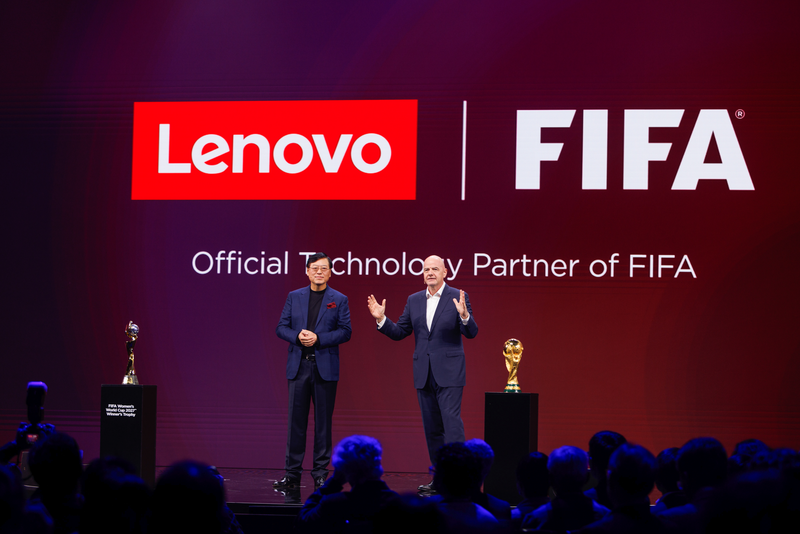
In 2024, FIFA announced Lenovo as its first Official Technology Partner in an agreement covering both the FIFA World Cup in 2026 and the FIFA Women’s World Cup in 2027. Under the partnership, the Chinese technology experts have worked with FIFA to develop a number of AI-powered initiatives to enhance officiating, broadcasting and coaching at the World Cup.
Semi-Automated Offside Technology (SAOT) has been significantly upgraded for 2026, with Lenovo creating AI-enabled 3D player avatars, generated from detailed body scans, to aid accuracy and the visualisation of decision making
Broadcast presentation will also be enhanced through an updated iteration of Referee View, following its successful trial at the 2025 Club World Cup. AI-powered image stabilisation applied to referee body camera footage will deliver smoother, immersive pitch-level perspectives to viewers.
Perhaps the biggest innovation from the partnership comes in the form of “Football AI Pro”. The platform represents a landmark development in coaching analytics, providing all 48 competing nations with equal access to generative AI analysis across more than 2,000 performance metrics. Coaches can interrogate the system in their native language, receiving video clips, heat maps and 3D tactical visualisations.
Lenovo is also delivering the broader technological infrastructure underpinning the tournament — including edge computing, the data centre infrastructure and real-time processing systems — to ensure operational consistency across 104 matches spanning three host nations.
Hawk-Eye and The Football Technology Centre AG
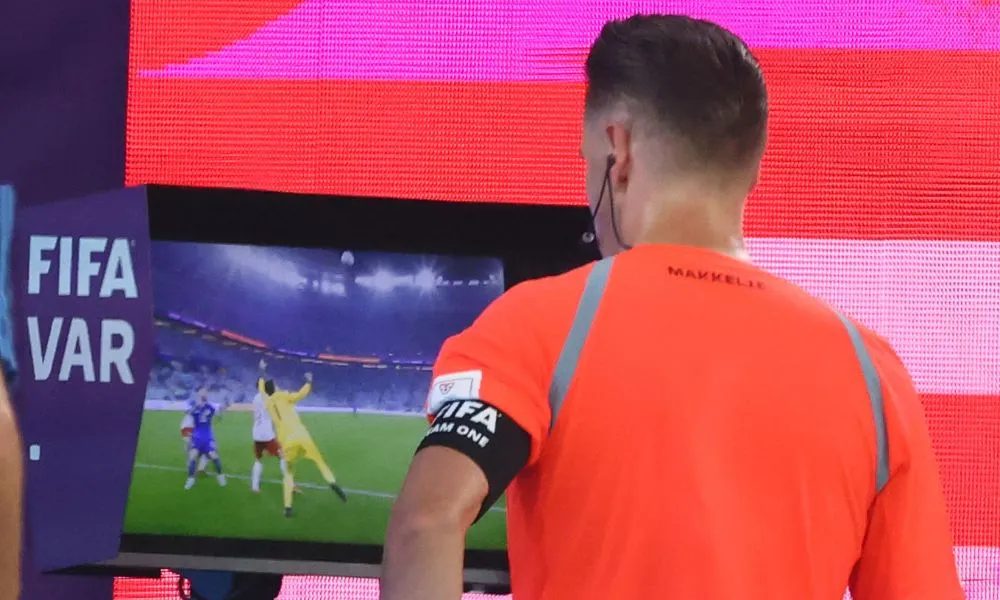
The use of technology to improve officiating at World Cups has been pioneered by Sony owned Hawk-Eye Innovations with the business responsible for the technology infrastructure behind initiatives such VAR and Goal Line Technology. Such is the depth of the collaboration that FIFA & Hawk-Eye jointly founded the Football Technology Centre AG as a joint venture to develop and implement officiating technologies in elite football. The Centre has been integral in developing the SAOT that was launched in 2022 and enhanced for this year’s tournament, through Lenovo’s AI and the addition of more tracking cameras and improved optical tracking accuracy.
Adidas Connected Balls

Also key to the instigation of SAOT was the use of connected ball technology from long term FIFA partner Adidas, which sees an inertial measurement sensor suspended within the centre of the ball. The sensor helps to track ball position, ball speed and contact events transmitting 500 times per second, helping inform decision making involving handballs, deflections and offside decisions, by enabling officials to determine the exact moment a player touched the ball.
Building the Digital Fan Experience with Globant

To ensure technology is at the heart of the World Cup fan experience, FIFA partnered with international sports technology specialists Globant in 2024 – expanding the agreement in 2025. The partnership aims to transform supporter engagement at the 2026 World Cup through an AI-powered digital ecosystem centred on the FIFA World Cup app – which Globant built for the tournament – and FIFA+, the governing bodies D2C streaming platform.
New FIFA App
For attending fans across the US, Canada and Mexico, the new app will serve as their essential matchday companion, handling mobile ticketing, stadium navigation, transport updates and real-time notifications. During matches, it will offer second-screen experiences including live statistics, player data and instant highlights.
Globant’s core contribution is AI-driven personalisation, tailoring content to each fan’s preferred teams, players and viewing habits — delivering customised news, alerts, highlights and ticketing information. Globally, AI will automate content production and localisation across dozens of languages, enabling match summaries, translations and conversational fan assistants at scale.
FIFA+
FIFA+ is the federation’s central content platform offering subscribers a mix of live content, match highlights, archives and original programming. Globant has built the cloud infrastructure and AI integrations to ensure scalability and allow for the real time data processing and personalisation which the platform now offers. Globant has helped FIFA create a unified digital ecosystem connecting FIFA+, ticketing, e-commerce and tournament content – allowing fans to move seamlessly between watching, purchasing and engaging.
Social Broadcasting
Of course, tech’s impact on the broadcast experience extends way beyond FIFA+. From remote cloud-based production to AI powered broadcast graphics, FIFA’s media partners work with FIFA’s broadcast provider, Host Broadcast Services (HBS) to convert the match feeds into programming for their different audiences. For the 2026 World Cup, that list of media partners includes social video giants YouTube and TikTok. Both signed preferred platform agreements ahead of the tournament that allow for live content to be streamed on the platforms for the first time.
Smart World Cup Stadiums
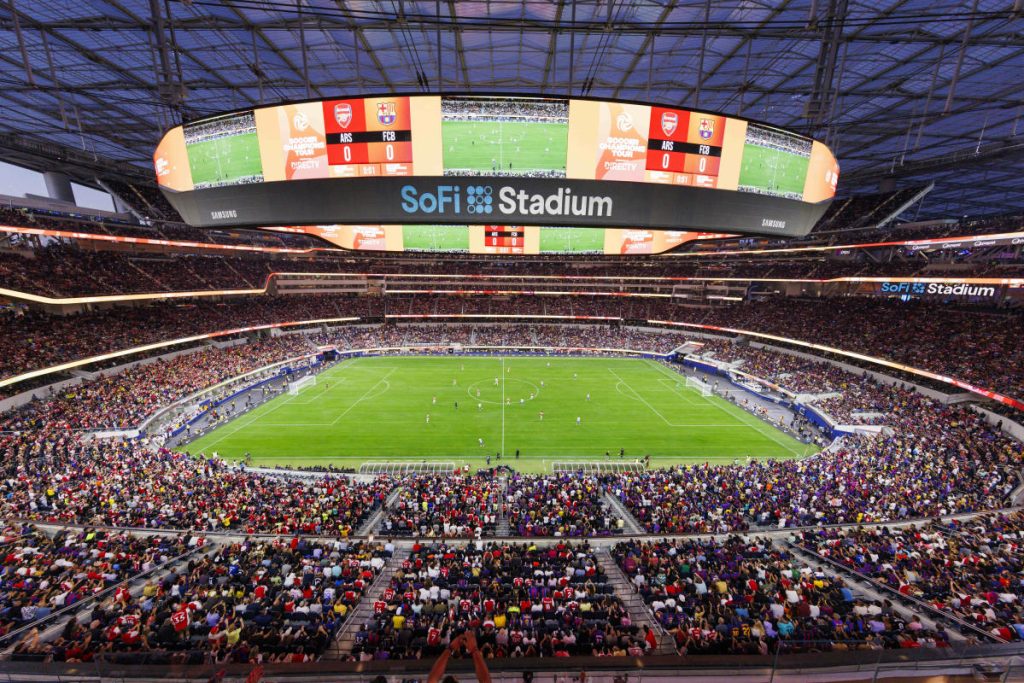
Matches at the 2026 World Cup will be staged across a roster of 16 stadiums, that includes the SoFi Stadium in Los Angeles, widely regarded as the most technologically advanced stadium in the world. The venue boasts the 70,000-square-foot dual-sided Infinity Screen, the largest video board in sports and fans benefit from stadium-wide 5G and more than 2,500 WiFi access points.
Of the 16 stadiums, more than half have been built or received significant technology upgrades since 2015 including iconic, hi-tech venues like the Mercedes Benz Stadium in Atlanta and the AT&T Stadium in Dallas. Fans at these stadiums will benefit from seamless cashless payments and enhanced digital wayfinding.
The World Cup as an AI Showcase
Perhaps the biggest technological difference between 2022 and 2026 is the role of artificial intelligence. With AI underpinning everything from player analysis and injury prevention to content creation and fan personalisation, the FIFA World Cup 2026 is set to become the first truly AI-enabled global sporting event, demonstrating how connected devices, cloud infrastructure, advanced analytics and intelligent automation can work together to improve both sporting performance and fan engagement.
Digital beyond the World Cup
FIFA recently announced their new Digital Football Strategy and a strategic move away from a single-partner model to a more structured, multi-partner ecosystem that leverages multiple gaming genres and platforms to grow audience reach and relevance.
Under the new approach FIFA will have partnerships with Roblox, Epic Games, Konami, SEGA/Sports Interactive, Gamefam, Mythical Games and Solace Games, enabling them to reach fans where they play.
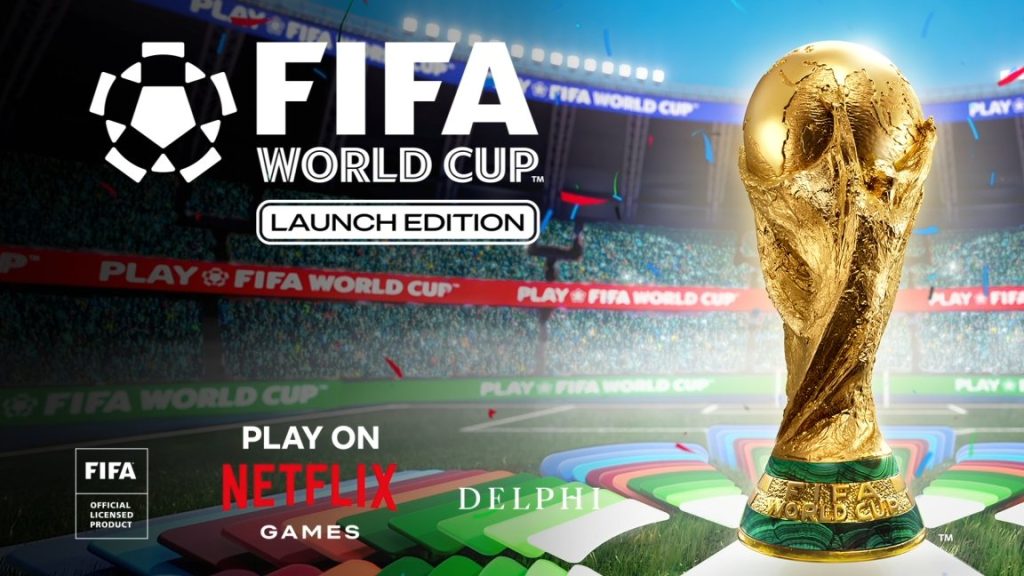
The strategy extends beyond the World Cup, but the tournament understandably plays an integral role. The release of “FIFA World Cup – launch edition” , their reimagined official simulation game, created in partnership with Netflix and Delphi Interactive, comes just before the tournament kicks off, giving fans a chance to live out their World Cup dreams in a virtual space.
At TEC, we deliver technology for some of the biggest sporting events in the world, helping organizations create connected digital experiences for fans, participants and stakeholders. Discover how we can help power your next sporting event.