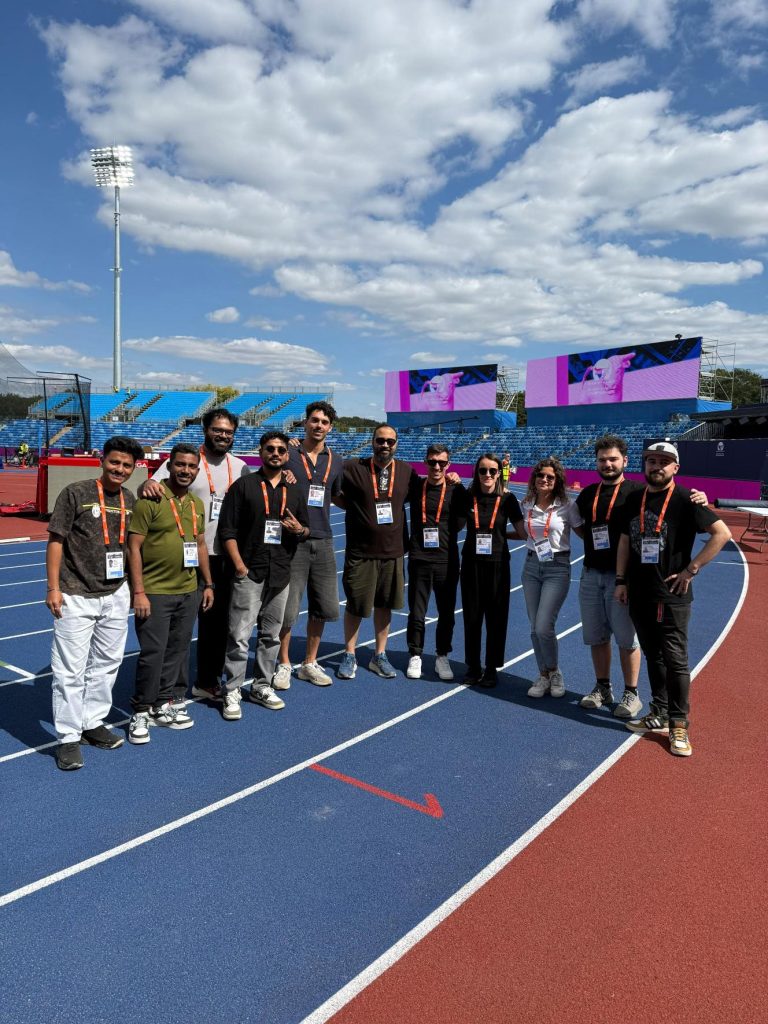
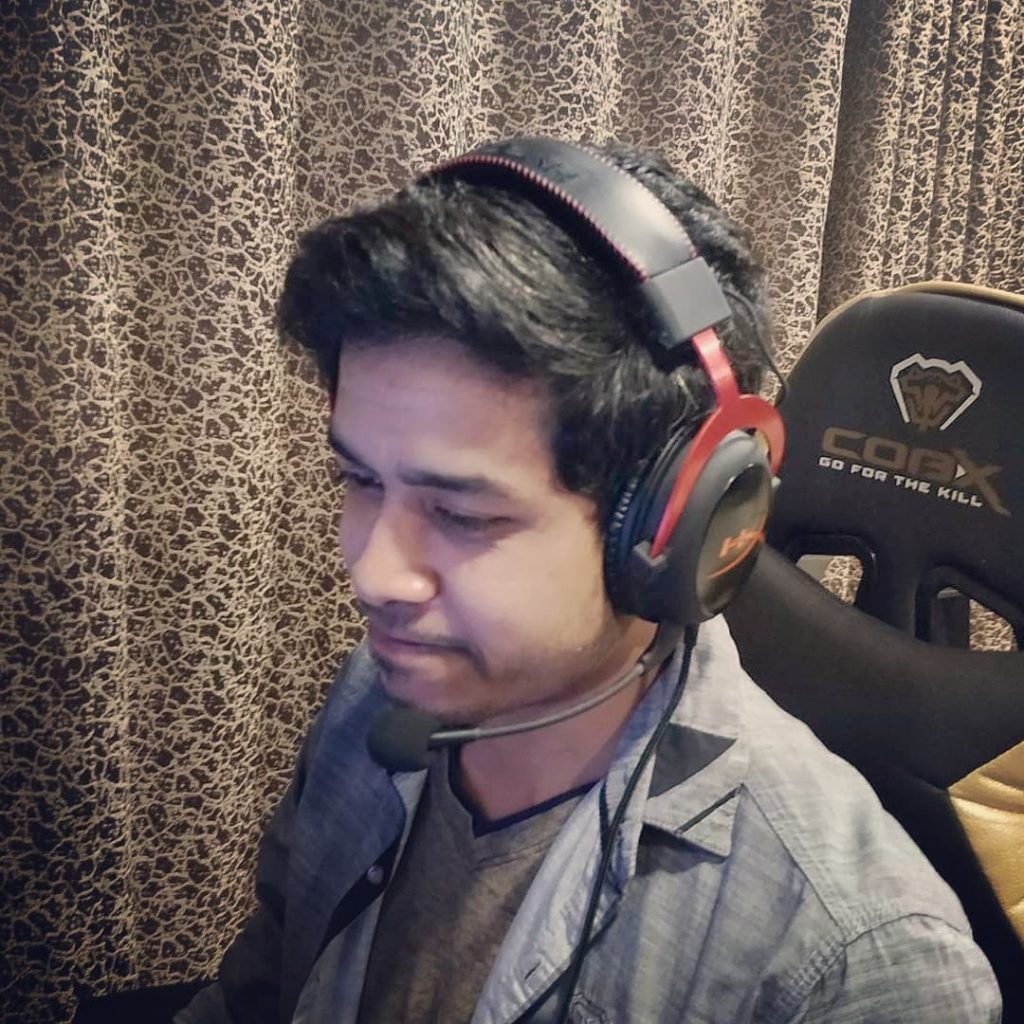
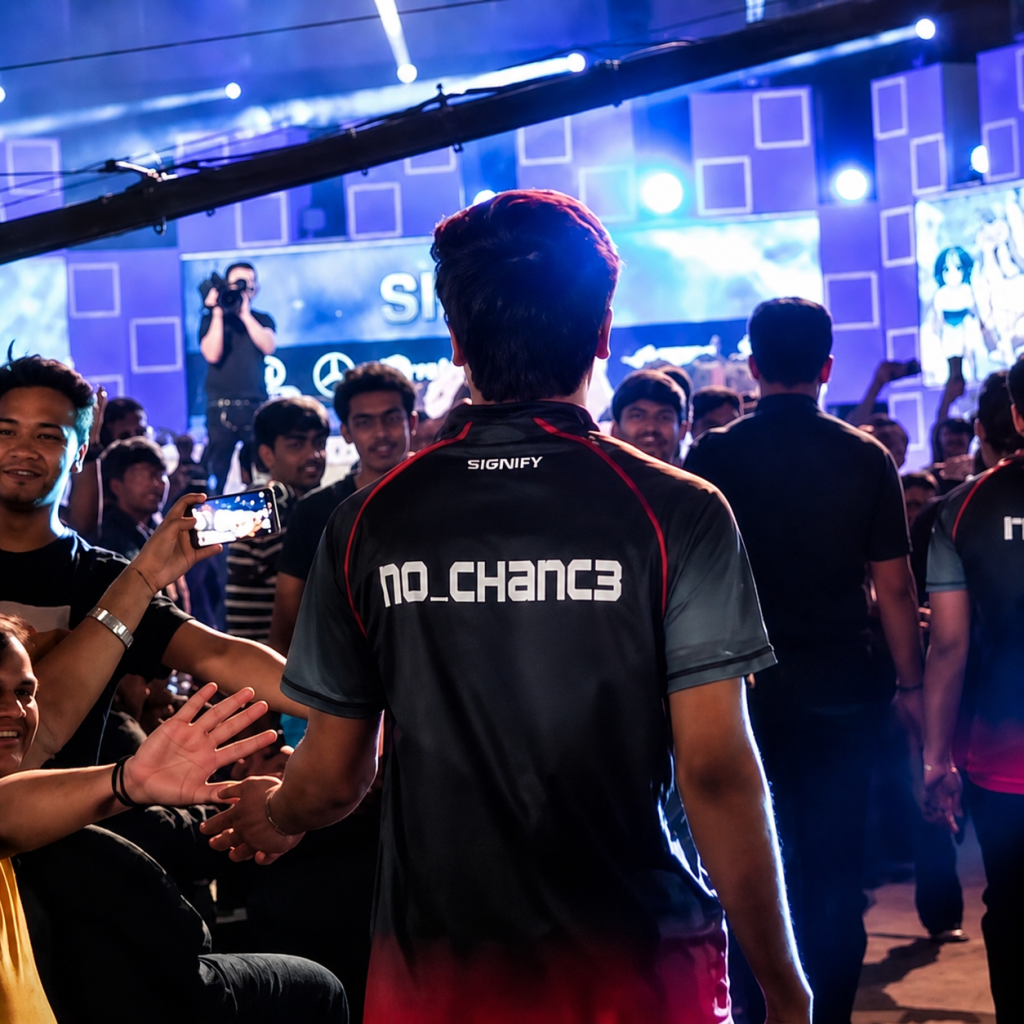
For this edition of Beyond Limits, we speak with Moin “NO_Chanc3” Ejaz, a veteran Indian professional Dota 2 player whose journey spans more than 15 years across competition, coaching, leadership, and business. Today, as Chief Operating Officer of The Insurgence Gaming Company, he brings a unique perspective shaped by experience on both sides of the ecosystem: as an athlete competing at the highest level and as an executive building the future of esports.
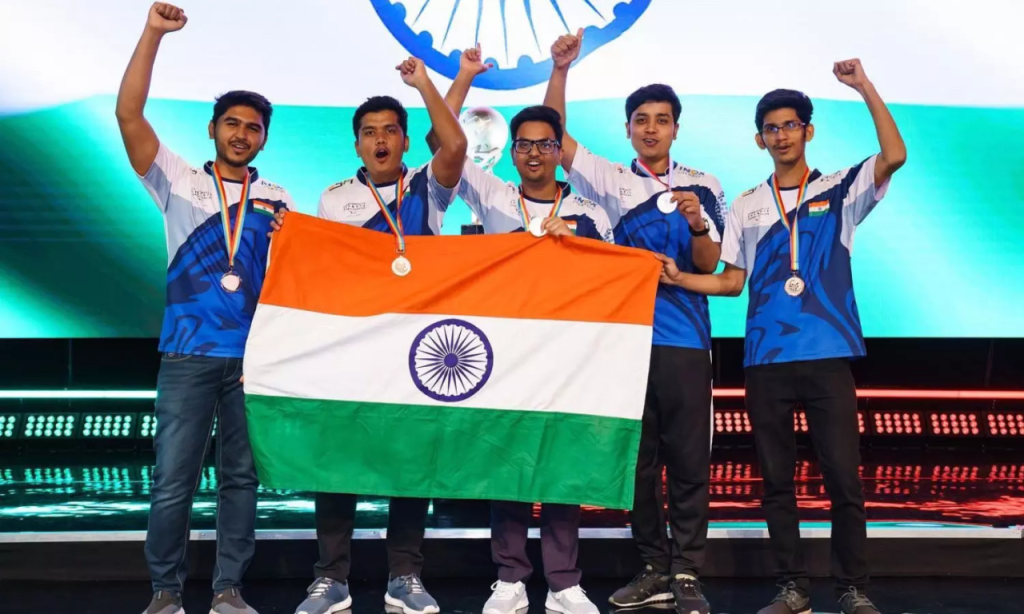
From representing India on the international stage and captaining the national Dota 2 team to helping secure a bronze medal at the Commonwealth Esports Championships, Moin has witnessed the evolution of esports from a niche passion into a global industry.
In this conversation, Moin Ejaz reflects on the challenges of pursuing esports in its early days, the lessons learned from leading teams and developing talent, and why adaptability, discipline, and long-term thinking are essential for success. He also shares his views on the growing role of technology and AI in competitive gaming, the future of esports, and what the industry must do to support the next generation of players.
Coming on the heels of the 2026 Esports World Cup, where Cristiano Ronaldo served as a global ambassador and helped bring esports to an even broader global audience, Moin’s perspective offers a valuable look at how far the industry has come and where it may be headed next.
The Making of an Esports Veteran
You've spent more than 15 years in competitive esports. What first drew you to competitive gaming, and when did you realize it could become something more than a hobby?
“I started playing PC games around 2002, when I was about 10 years old. At that time, having a PC felt like having a whole new world in front of me. I started with casual games, but I always liked games that were challenging and competitive. I enjoyed the fact that you had to keep thinking, adapting and finding new ways to beat someone who was trying to do the same thing.
As I got more involved with the local gaming community and started playing tournaments, I realised gaming was much bigger than just playing at home. I really enjoyed the competition, the atmosphere at events, and seeing people actually follow and cheer for players.
The real turning point came around 2015, when I started competing in national tournaments and eventually got picked up by an organisation that provided a salary, bootcamp, travel and other support. That was the first time I thought, maybe I can actually make a career out of something I genuinely love, and that’s when I decided to take esports seriously.”
Looking back at your early years with Team Elunes, what were the biggest challenges of pursuing esports in India at that time?
“One of the biggest challenges was that the esports ecosystem in India was still extremely small. There were very few events, prize pools were low, and most people didn’t even see gaming as a potential career. It was also difficult to convince our parents to support us when we didn’t really know ourselves where esports would stand in the future.
Team Elunes was more of a supportive organisation and advertising agency for us rather than a traditional salary-funded esports team. They helped us connect with potential sponsors and supported us whenever possible.”
What is the toughest setback you've faced in your career, and how did you overcome it?
“I think my toughest setback was the uncertainty that came with building a career in esports when the ecosystem itself was still developing. There were periods when opportunities were limited, organisations were not very stable, and there was no clear path for a player to build a long-term career.
What helped me overcome it was learning to adapt rather than giving up. I gradually expanded beyond being just a player, taking on roles in coaching, team management, strategy, and operations. Every setback pushed me to learn something new and find another way to stay involved in the industry.
Looking back, I think that uncertainty actually shaped me the most. It taught me that in esports, you cannot always wait for the ecosystem to create opportunities for you. You have to learn how to create them yourself.”
What achievement means the most to you personally: becoming Team India captain, winning championships, coaching the national team, or something else entirely?
“I think what means the most to me is the role I played in growing the Indian Dota 2 scene and taking it to an international level. When we started, very few people outside India even knew about Indian teams or players. Over the years, we worked hard to compete internationally, and at one point our team became one of the recognised teams in the region.
Being able to represent India multiple times and see Indian players and teams gain recognition internationally is something I’m particularly proud of. The championships and medals are important, but knowing that we helped put Indian Dota 2 on the map is what means the most to me personally.”
Leading Beyond the Game
You have been a player, team captain, founder, coach, and operations leader. How has your definition of leadership changed throughout that journey?
“My definition of leadership has changed a lot throughout my career. When I was younger, I thought leadership was mainly about making the right calls and telling people what needed to be done. As I moved through different roles as a captain, founder, coach, and operations leader, I realised that leadership is more about understanding people, bringing out the best in them, and taking responsibility when things don’t go as planned. Today, I believe a good leader is someone who creates the right environment for people to perform, gives them direction and confidence, and makes sure the team moves forward together.”
What separates talented players from championship-winning teams?
“I think the biggest difference is teamwork, discipline, and consistency. You can have five extremely talented players, but that doesn’t automatically make a championship-winning team. The best teams understand how to play together, communicate, trust each other, and follow a clear plan even when things aren’t going their way. Individual skill can win you games, but having the discipline to make the right decisions together, especially under pressure, is what wins championships.”
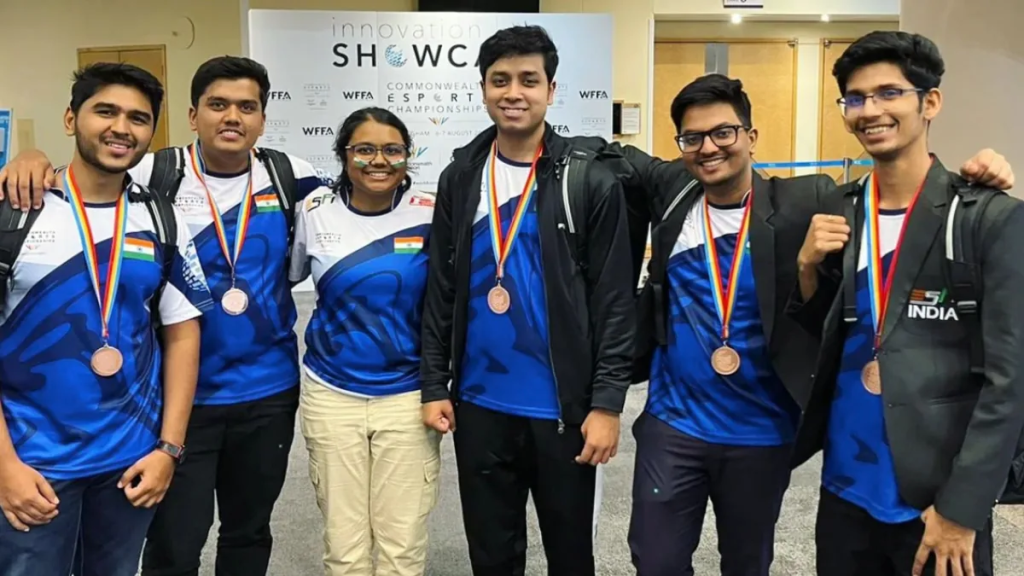
Can you take us back to the Commonwealth Esports Championships and describe that experience?
“The Commonwealth Esports Championships was a very special experience for me. After COVID, the esports scene had slowed down and many of the players I had previously played with had moved on to other careers or opportunities. When the Commonwealth Esports Championships was announced, I had to act quickly, so I conducted my own trials and built a new team with some of the best emerging players in Indian Dota 2. I trained and guided them throughout the preparation, and for many of them, it was their first international event. Going into an international competition with a completely new team was a huge challenge, but seeing them perform and ultimately win a bronze medal was incredibly rewarding. For me, it wasn’t just about winning the medal; it was about knowing that I had helped guide a new group of players onto the international stage for the first time.”
Redefining Performance in the Digital Age
What role does technology play in developing elite esports athletes today compared to when you started?
“Technology has made a huge difference in esports compared to when I started. Back then, we didn’t have proper facilities or reliable equipment, and things like slow PCs, poor monitors, and unstable internet could directly affect our performance. We even missed opportunities and events because of these limitations. Today, players have access to high-end PCs, monitors, peripherals, and much more reliable internet, which allows them to focus entirely on improving their performance. As gaming and esports have grown, technology has evolved alongside them, giving today’s athletes a much smoother and more professional environment to compete in.”
Do you think esports is helping redefine what athletic performance means in the digital age?
“Yes, definitely. I think esports is changing the way we look at athletic performance. In traditional sports, we usually think about physical strength and fitness, but in esports, you need things like quick reactions, focus, decision making, communication, and the ability to stay calm under pressure. At the highest level, players also have to train regularly, practice for hours, study their opponents, and work on their mental game. So I think esports shows that high level performance isn’t only about physical strength. It can also be about how well you can train and perform mentally.”
Looking ahead, how do you see AI changing athlete development, coaching, and competitive strategy in esports?
“I think AI is going to become a very useful tool in esports, especially for coaching and analysing players. It can look at huge amounts of game data, identify mistakes, study opponents, and help players understand areas they need to improve much faster. Coaches can use it to prepare strategies and find patterns that might be difficult to notice manually. But I don’t think AI will replace players or coaches. The human side of the game, like decision making, communication, understanding your teammates, and adapting during a match, will always be important. I see AI more as a tool that can help players and coaches work smarter and improve faster.”
What misconceptions do people still have about the demands of professional esports?
“I think one of the biggest misconceptions is that professional esports is just about playing games for hours. From the outside, it can look like players are simply sitting at a computer, but at the professional level there is a lot more involved. You have to practice consistently, study opponents, review your own games, work on communication, maintain focus, and deal with a lot of pressure during competition. There is also the mental side of constantly performing and staying motivated. It takes a lot of discipline and commitment to stay at the top, just like in any other competitive sport.”
Building the Future of Esports
What excites you most about the future of esports?
“What excites me most is how much room there still is for esports to grow. When I started, there were very few events, organisations, or even people who saw esports as a real career. Today, the industry is much more developed, and we are seeing better infrastructure, bigger opportunities, and more people taking it seriously. I’m excited to see where the next generation of players can take it.”
If you could make one change to support the next generation of esports athletes, what would it be?
“I think the biggest change would be creating a more stable and structured career path for players. When I started, there were very few organisations, tournaments, or systems that could support a player long term, and that uncertainty made it difficult for players and their families to take esports seriously. The next generation needs better player development, proper team structures, regular competition, and opportunities beyond just winning tournaments. If we can build an ecosystem where talented players can develop and actually see a future in esports, I think that would make the biggest difference.”
If a young person reading this interview dreams of competing at the highest level in esports, what is the one lesson from your journey you would want them to remember?
“From my journey, the biggest lesson I would want them to remember is to never give up and always keep a positive mindset. I’ve had plenty of difficult periods and setbacks throughout my career, but continuing to work hard is what kept me moving forward. At the same time, competing at the highest level is not just about playing more and more games. It’s about understanding the game, analysing your mistakes, studying your opponents, and constantly finding ways to improve. If you can keep that mindset even when things aren’t going your way, you can go a long way.”
The future of esports may be unwritten, but for veterans like Moin Ejaz, one thing is clear. Those who continue to learn, adapt, and lead will help define what comes next.